Programs in Building Community
Undergraduate Global Health Club
The Undergraduate Global Health Club, working in partnership with the Center for Innovation in Global Health, is composed of undergraduate and graduate students with diverse backgrounds committed to strengthening the global health community on campus.
About Us
The Undergraduate Global Health Club is an interdisciplinary student organization at Stanford University dedicated to strengthening the global health community on campus. Composed of undergraduate and graduate students, the club works in close partnership with the Stanford University Center for Innovation in Global Health (CIGH), Stanford’s premier global health research, education, and mentorship center.
Blending education with meaningful action, the club’s mission is three-fold. Seeking to engage students and scholars from all parts of campus on global health issues, the club seeks to create community among faculty, staff, and students interested in global health. To better inform young leaders, stakeholders, and the public about critical global health challenges, the club aims to facilitate interdisciplinary learning about global health, both in and out of the classroom. Lastly, to provide needed experience and practical knowledge to future leaders in the field, the club works to connect students to opportunities focused on underserved communities locally and abroad.
A diverse and interdisciplinary group, the club is composed of undergraduates and graduates, premedical students, economists, biologists, and engineers — all with a shared interest in and passion for ensuring every single human being, no matter who they are or where they are from, has access to affordable and quality healthcare. We welcome any and all Stanford students to join our team, as we strive to include as many perspectives and voices as possible in our effort to improve health for all.
Contact Us
To get involved, contact one of the club leaders at the emails in their bios below.
Follow us on InstagramMeet the Club


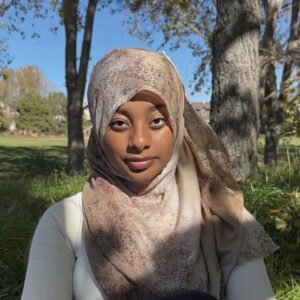
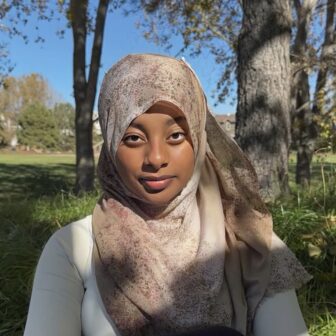
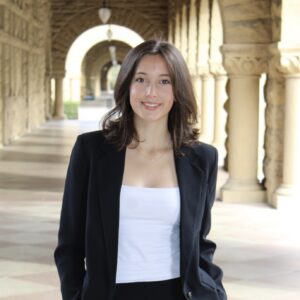
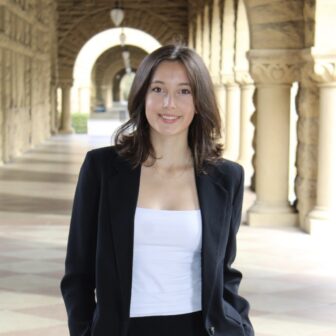
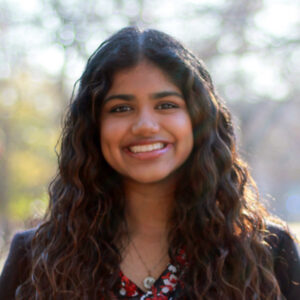
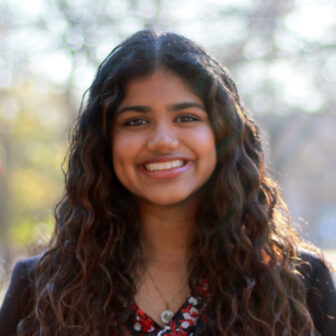

Max Yang
Director of Community Programs

Max Yang
Director of Community Programs
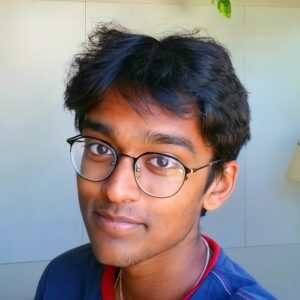
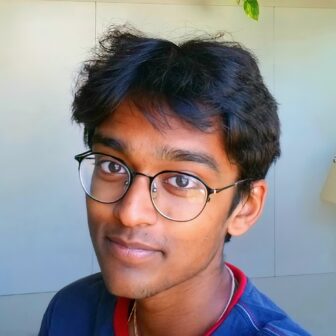
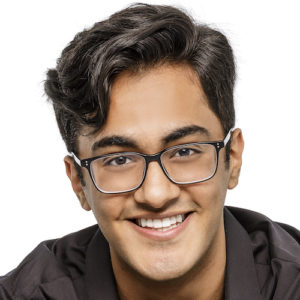
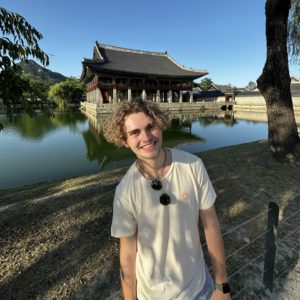
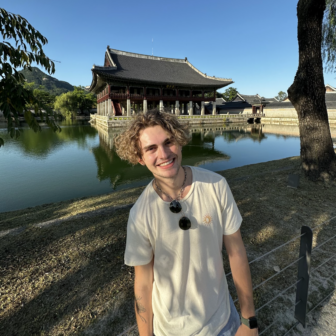
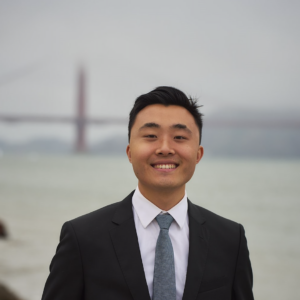
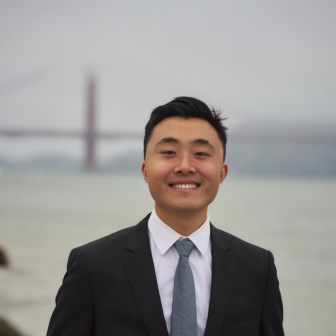
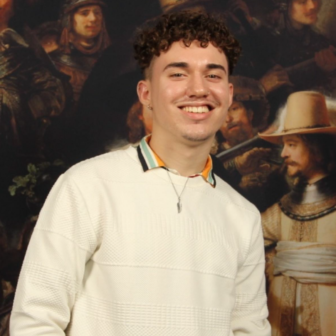
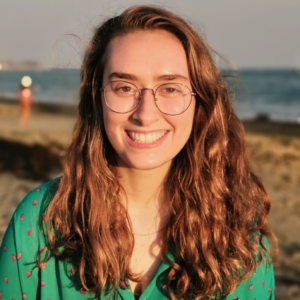
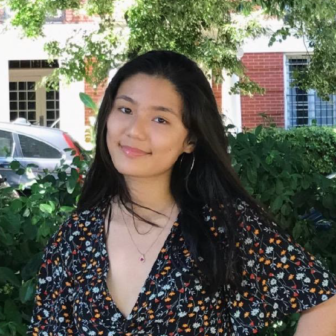
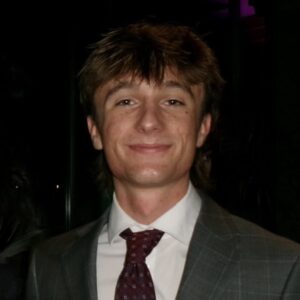
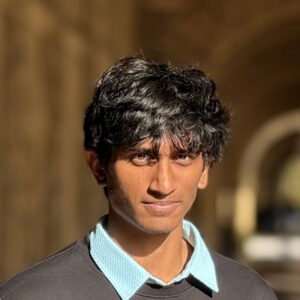
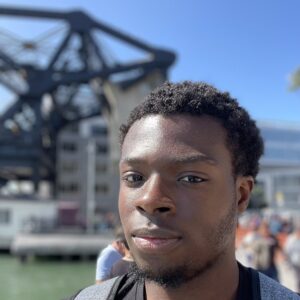
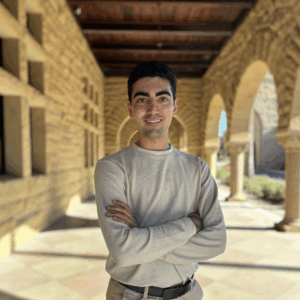
Max Yang (’27) is a junior from St. Louis, Missouri majoring in Human Biology and pursuing a pre-med track. His research interests encompass global and environmental health, driven by his passion to address local and global healthcare disparities using Geographic Information Systems (GIS). At Stanford, he volunteers at Cardinal Free Clinics as a Mandarin Interpreter and serves with Stanford EMS. Outside of academics, Max enjoys birdwatching, lion dancing, painting, and cooking.
Contact Max Yang
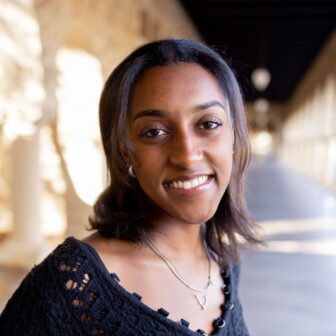

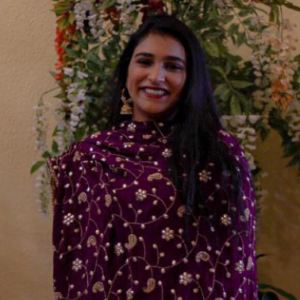
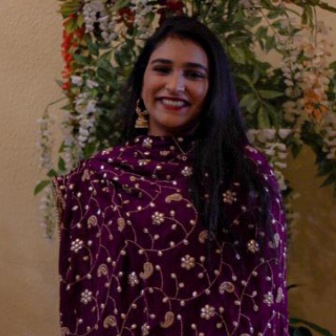
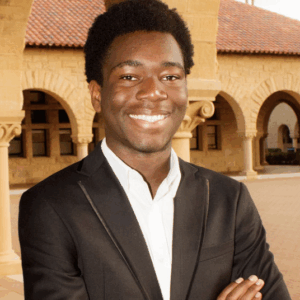
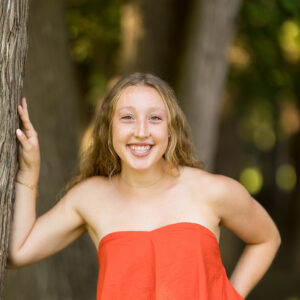
Peter Childs
Financial Officer

Peter Childs
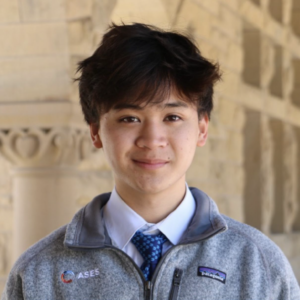
Financial Officer


Events
Connecting students to global heath through dialogue, service, and action
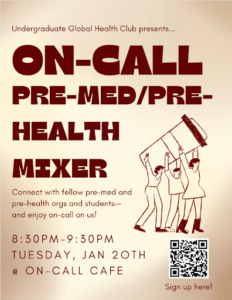
On-Call Pre-Med/Pre-Health Mixer
The Undergrad Global Health Club brought together pre-health communities from across campus for an evening of connection and conversation. The On Call Mixer created space for students passionate about medicine, public health, and healthcare innovation to meet one another, exchange ideas, and learn about the exciting work happening across Stanford’s health ecosystem. With refreshments and lively discussion, the event fostered new friendships and cross-club collaboration among future healthcare leaders.
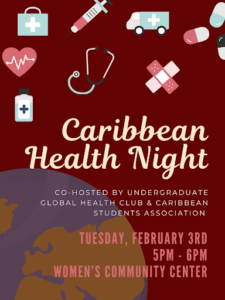
Caribbean Health Night
In collaboration with the Caribbean Students Association, UGHC hosted a Caribbean Health Night centered on community, culture, and collective care. This gathering spotlighted Caribbean health narratives, elevating conversations around identity, wellness, and the lived experiences that shape health outcomes. Through food, dialogue, and storytelling, the event created a welcoming space to honor Caribbean voices while exploring the intersections of culture and global health.
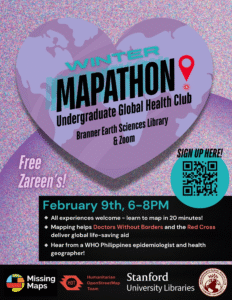
Winter Mapathon
UGHC partnered with the Stanford Branner Earth Sciences Library to host a Winter Mapathon in support of global humanitarian efforts. Participants contributed to the Humanitarian OpenStreetMap initiative, helping improve maps used by organizations such as Doctors Without Borders and International Red Cross and Red Crescent Movement to deliver critical aid to vulnerable communities worldwide. The event featured guest speakers Jerico Bajador, an epidemiologist at the World Health Organization Philippines, and Olumide Ogungbemi, a global health geospatial analyst, who shared insights on how mapping technologies strengthen public health responses. With over 100,000 volunteers worldwide participating in similar efforts, the Mapathon empowered students to make a tangible global impact in just 20 minutes, while building community over dinner from Zareen’s.
Upcoming Events & Quarterly Calendar
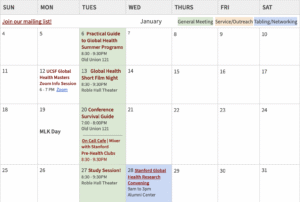
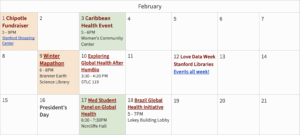
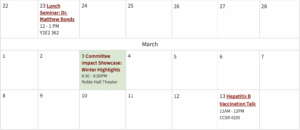
Stay up to date with meetings, events, and opportunities!
https://docs.google.com/document/u/1/d/1RtSjJcACS6wPCKk6WIoKJVFb1gBRmhlD6MgnnHy44us/edit?usp=sharing
Committees
Mapathon Planning Committee
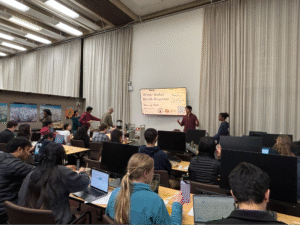
The Mapathon Planning Committee organizes Stanford’s quarterly Mapathons. During these events, UGHC and the broader Stanford community come together to map a high-priority global health project, helping organizations like Doctors Without Borders and the Red Cross deliver vital, life-saving aid to at-risk communities around the world. This initiative takes part in a global movement of 100,000+ volunteers using Humanitarian OpenStreetMap (HOTOSM) to support humanitarian response efforts.
These collaborative mapping events create life-saving location data for at-risk communities around the world, and have been featured in the Daily! Committee members assist with event planning, outreach, and coordination to make these impactful events a success, and integrate their own ideas to ensure these events are even more engaging and reach new audiences. Members also work on developing more frequent, smaller Mapathons and geospatial health workshops throughout the year for those interested in deeper engagement.
Committee: Anika Gundlapalli, Sathmi Liyanage, Alessandro Duccio Vittorio De Leo, Mezihab Ahmed, Aditi Kiran
Together Against Tuberculosis Committee
Together Against Tuberculosis (TAT) is an interdisciplinary effort connecting students with health professionals to strengthen TB care in the Bay Area and beyond. Through outreach, fundraising, and grant development, TAT helps ensure that patients receiving treatment at the San Francisco General Hospital TB Clinic have access to transportation, groceries, and essential household items.
Members contribute through two primary tracks:
Web & Social Media Outreach – support TAT’s digital presence and visibility. This track helps design and maintain the project website, manage social media, and lead outreach campaigns that highlight TAT’s impact and raise TB awareness.
Grant Development – collaborate with researchers to draft and submit proposals for TAT’s NGO and community health grants. This track offers hands-on experience in community health program design and grant writing, which are skills central to turning public health ideas into real-world impact.
Fundraising Team – plan and host fundraisers on and off campus to support TAT’s mission. Fundraisers range from community partnerships, tabling campaigns, and donor outreach efforts. This track allows members to gain experience in budgeting, event planning, and community engagement.
This team also works toward confirming opportunities to join ride-alongs at the SF TB Clinic, accompanying healthcare workers on visits to TB clients and gaining first-hand insight into community-based care delivery. This offers members a meaningful opportunity to engage with the global health community, build professional skills in program development and communications, and contribute directly to real-world efforts against tuberculosis.
Committee: Ashley Diaz, Mael Ejiogu, Lisa Katz, Gracie Morris, Haasini Kellampalli, Kushal Patel, Najifa Nosin, Aspen Singh, Mezihab Ahmed, Greta Bollyky Joshua Becker
Sleep Doodles Committee
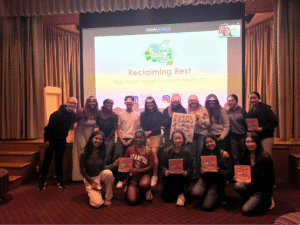
This team takes an active planning role in UGHC’s partnership with Sleep Doodles focused on expanding access to sleep education. Members will work collaboratively to design, adapt, and share sleep health materials for use in underserved high schools and community settings, including potentially with the Cardinal Free Clinics. This team works to host Sleep Health Workshops for individuals in these communities and hopes to adapt this format for various global contexts. The goal is to make evidence-based information on sleep hygiene, stress management, and daily focus more accessible to youth and communities who often have limited exposure to preventive health education.
Because the collaboration is still in its early stages, members have significant creative freedom to shape the direction of the partnership, develop outreach strategies, and pilot new educational ideas.
Committee: Radhika Unnikrishnan, Erica Liu, Seiya Tu
Social Media Committee
The Social Media Committee helps amplify our club’s impact and grow our campus presence. This team designs flyers for events and service opportunities, captures photos at events, drafts publicity emails for our mailing list, and manages posts and stories across Instagram, TikTok, and other platforms. Members of this committee get the opportunity to deepen their engagement with the Undergraduate Global Health Club while building design, communication, and marketing skills. They work closely with our officer team and help shape how our club is represented across campus and beyond!
Committee: Sathmi Liyanage, Tanishtha Kawankar